
Closed Corner Frames
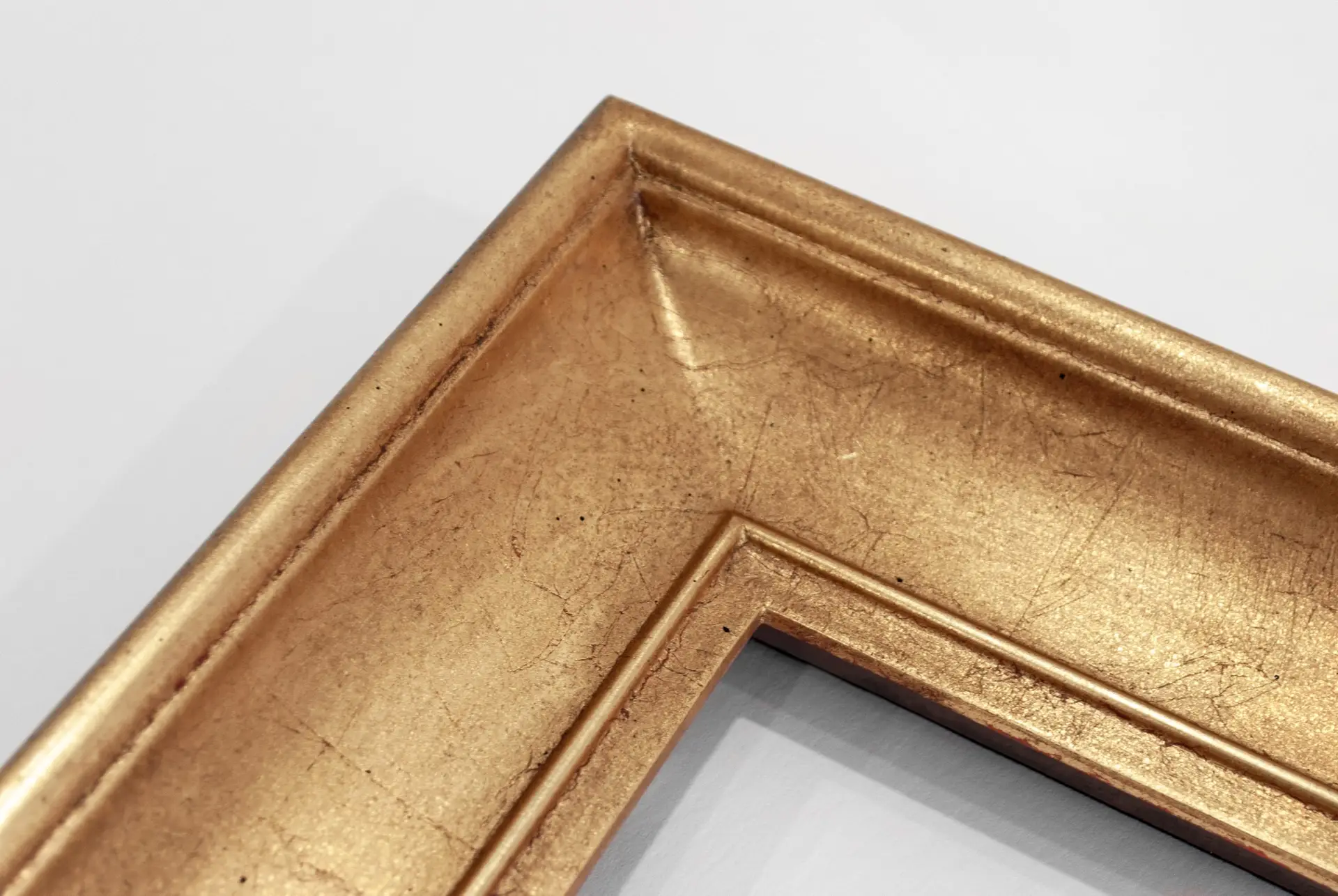
OLLEY
Style: Heritage Elegance
Face: Curved with outer lip and inner detail
Finish: Gilded
A piece of Australian art history, this is the frame commissioned by Philip Bacon to hold Margaret Olley's work. Entrusted to us by creator Graham Reynolds. Classical styling with an air of tranquillity that brings a peaceful resonance to any room.
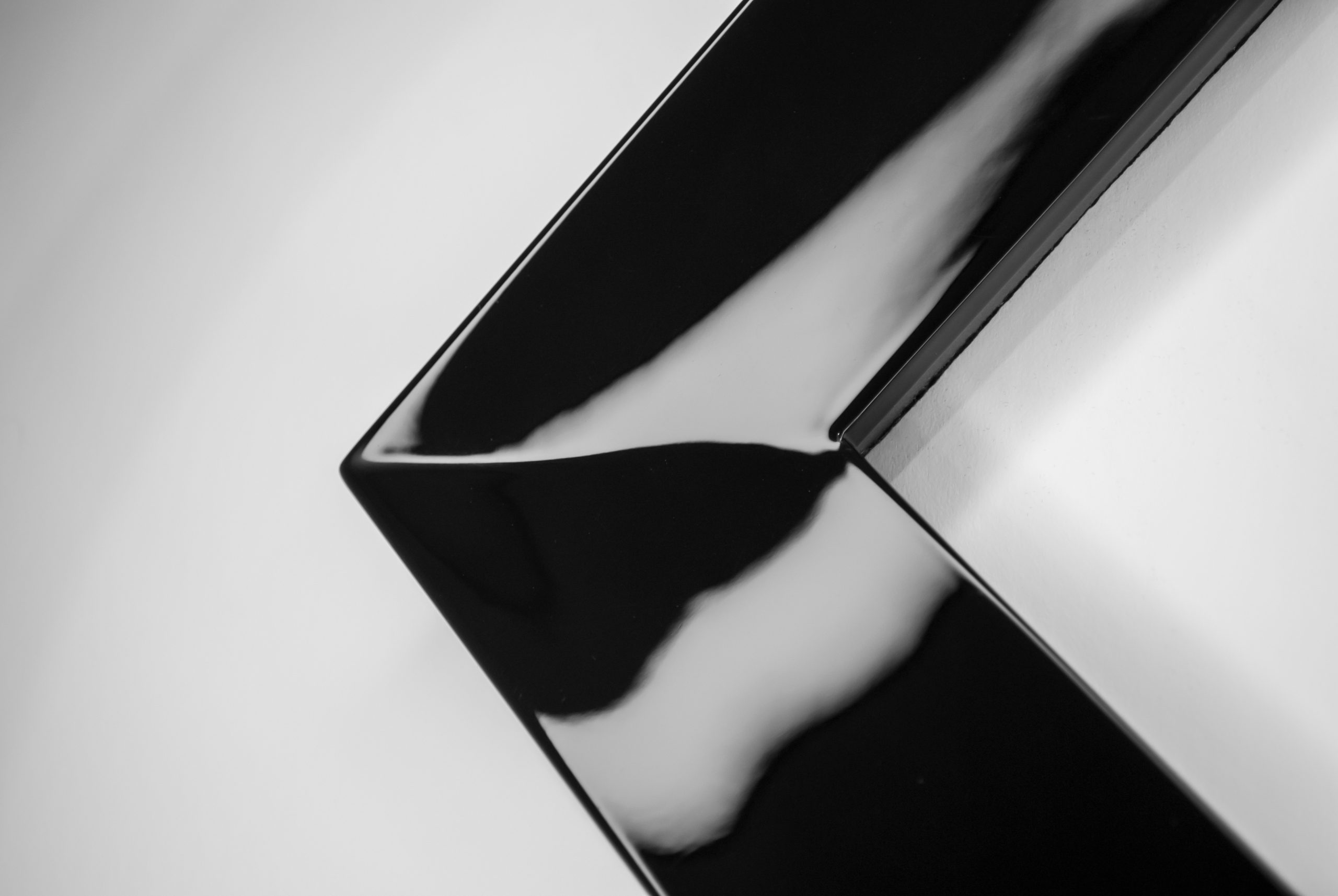
LUXURIA
Style: Modern
Face: Gently scooped with angled outer edge
Finish: High Gloss, Matte, Metallic, Gilt
Customisable: Yes
A bold profile, built to make a statement. From high-gloss lacquer and metallics, finished by the specialists behind McLaren's paintwork — through to delicately laid gold metal leaf.
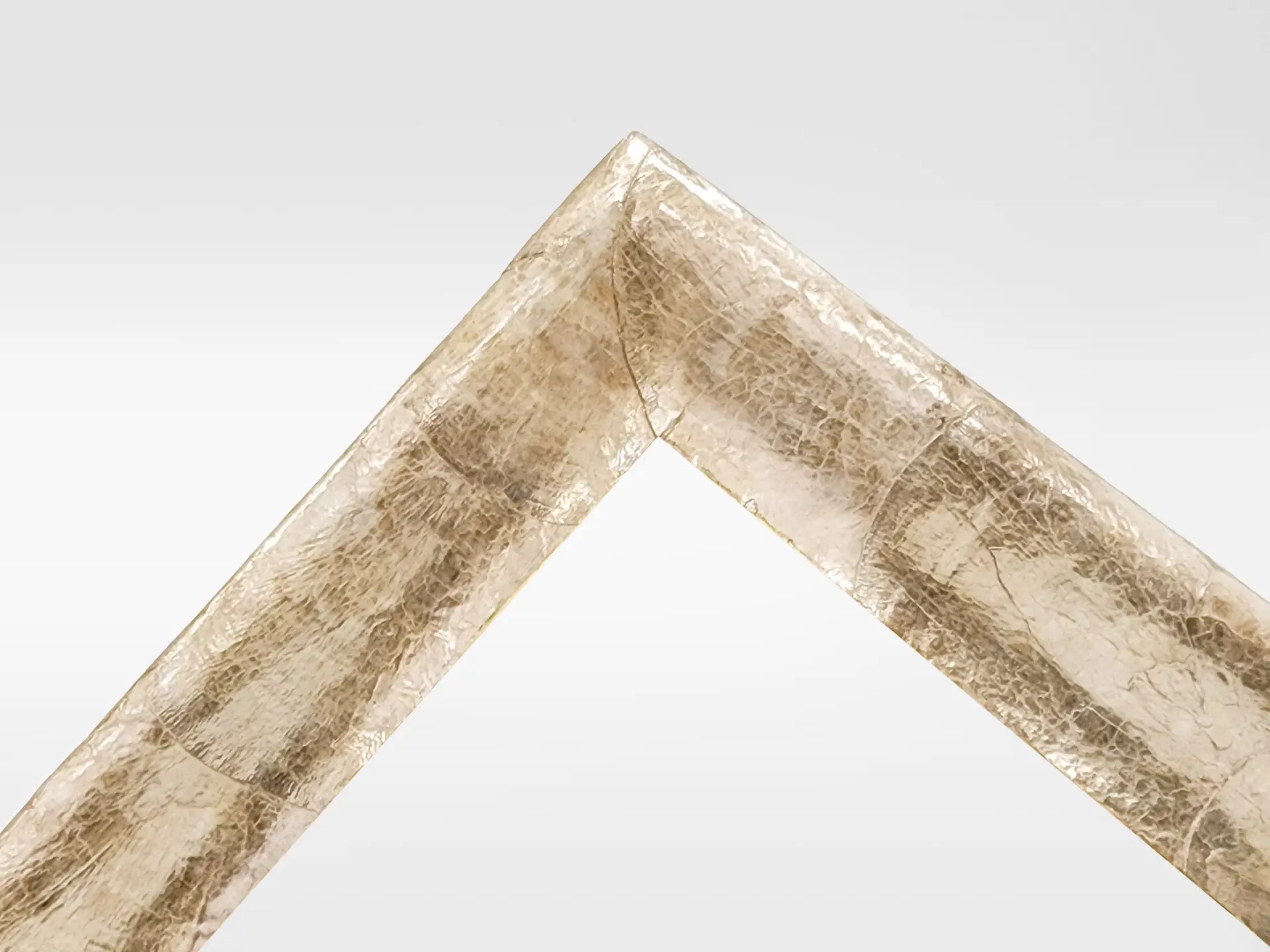
CAPIZ
Style: Relaxed Coastal
Face: Slight curve with soft edge
Finish: Hand-laid Capiz Oyster shells
No two pieces alike — each shell hand-laid to catch the light like sun on water. A soft glow, a quiet nod to the coast, built for rooms that favour ease over shine.
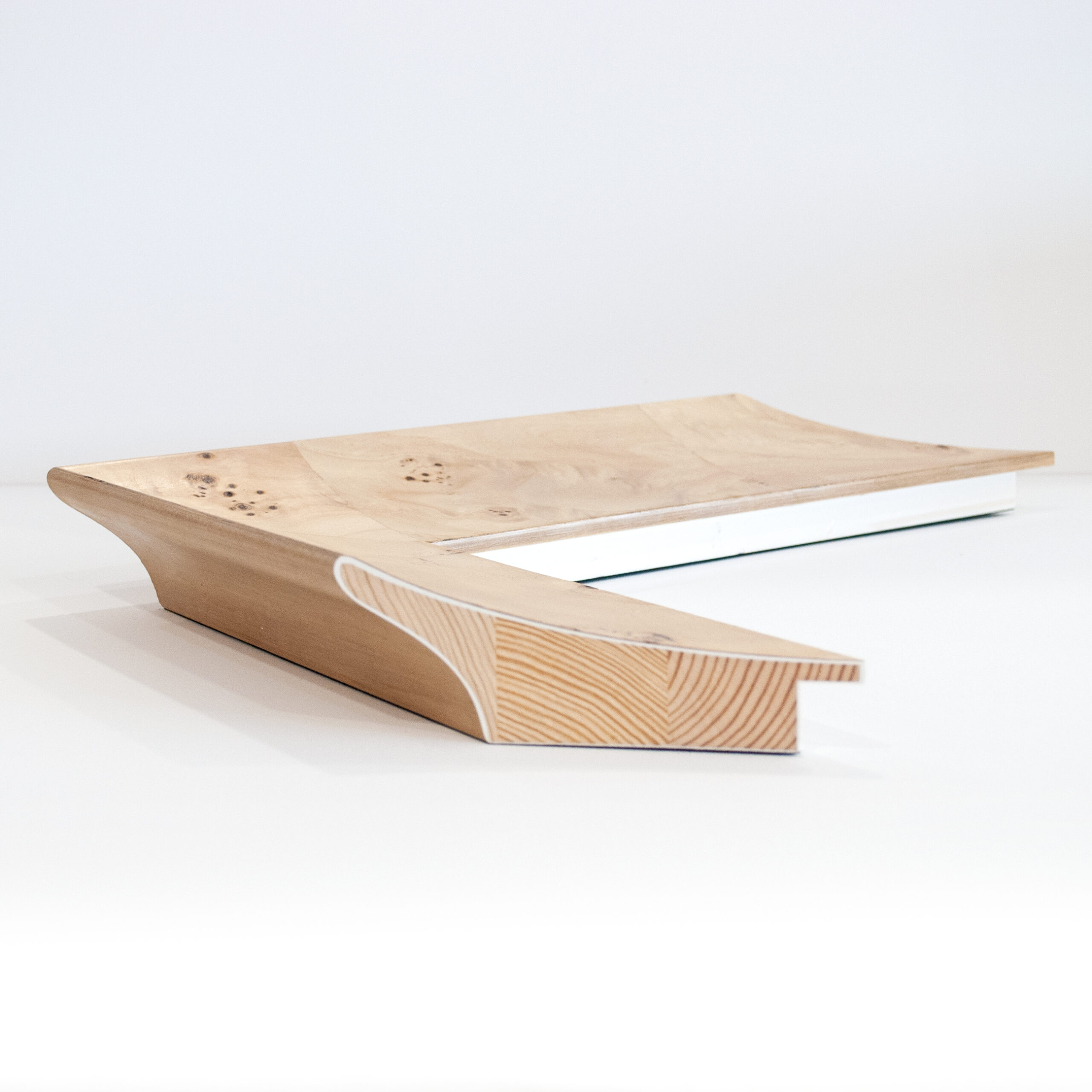
ARBOUR
Style: Raw Luxury
Face: Gentle scoop leading to prominent edge
Finish: Hand laid raw Mappa Burl veneer
Customisable: Yes
Mappa Burl, hand-laid and left raw — its grain swirling like brushstrokes, marbled and never quite the same twice. Luxury made effortless and a little undone.
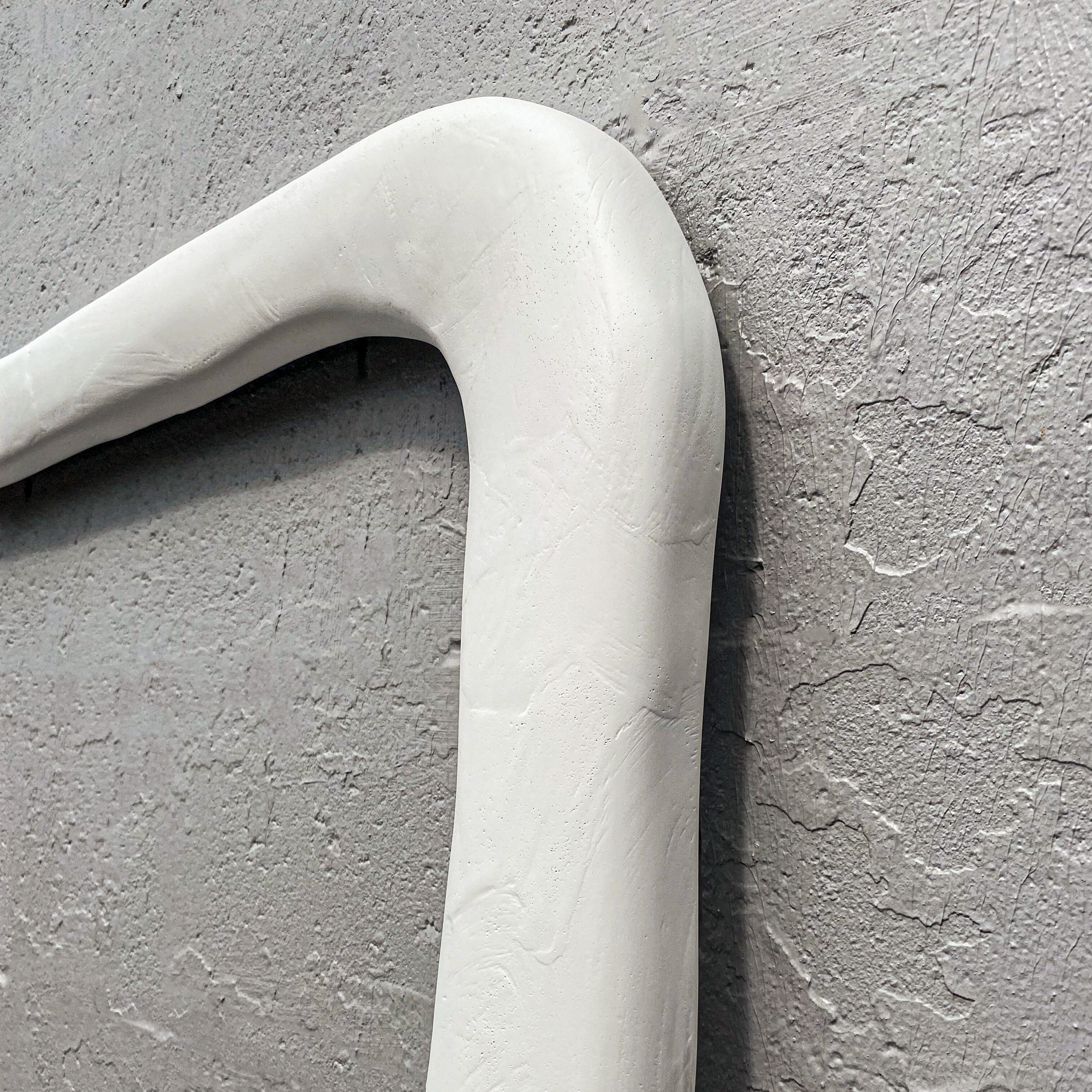
CORDELIA
Style: Elemental Form
Face: Smooth to a rounded edge
Finish: Layered Gesso
Raw gesso, the same hand-built technique artisans have used for centuries, over a curve that feels worn by water and time. Soft, rounded, never quite symmetrical — a heritage finish on a shape that feels found.
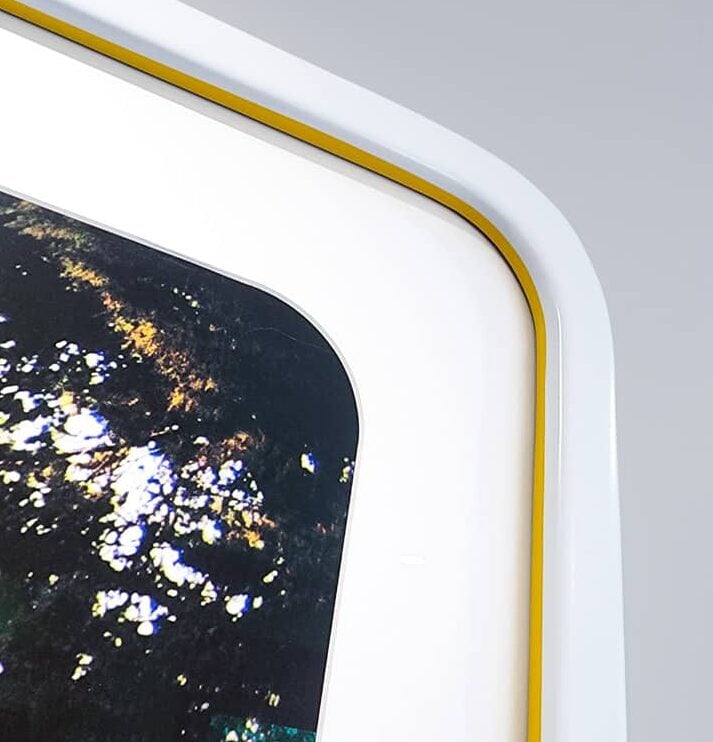
RETRO ROUNDED
Style: Retro Futurism
Face: Smooth lozenge shape
Finish: Gloss or Matte
Customisable: Yes
Jet set, mid-century glamour distilled into the aerodynamic curve of a capsule silhouette. Engineered yet groovy, for a room that takes itself just seriously enough.
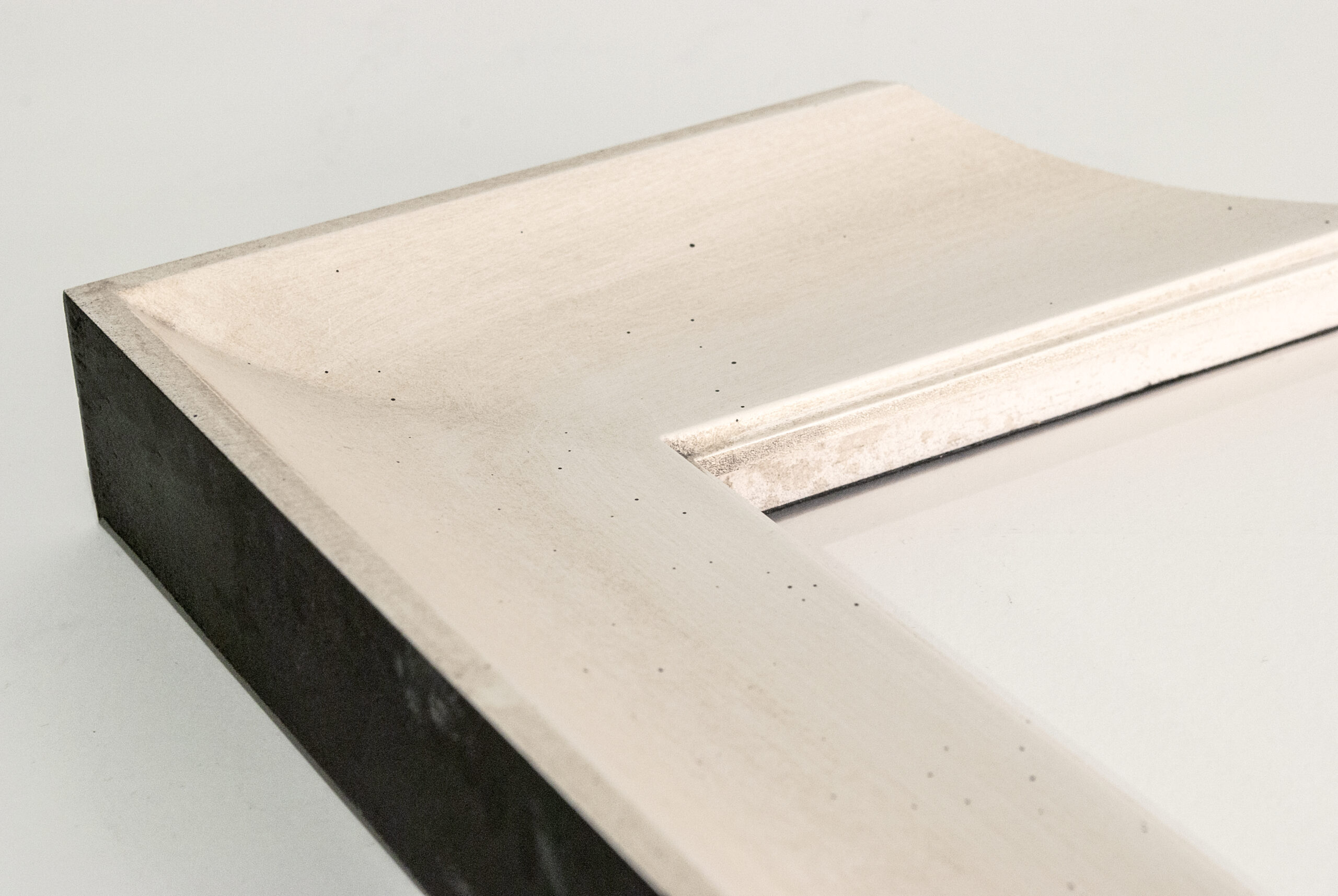
AGED SLIP
Style: Pared-back provincial
Face: Delicately dished
Finish: Hand painted
Bringing the warmth of aged linen, this slip is the quieter half of a pairing with sister frame, Olley. Whilst she's soft enough to support, she's also sweet enough to stand alone. A pure and calming presence.
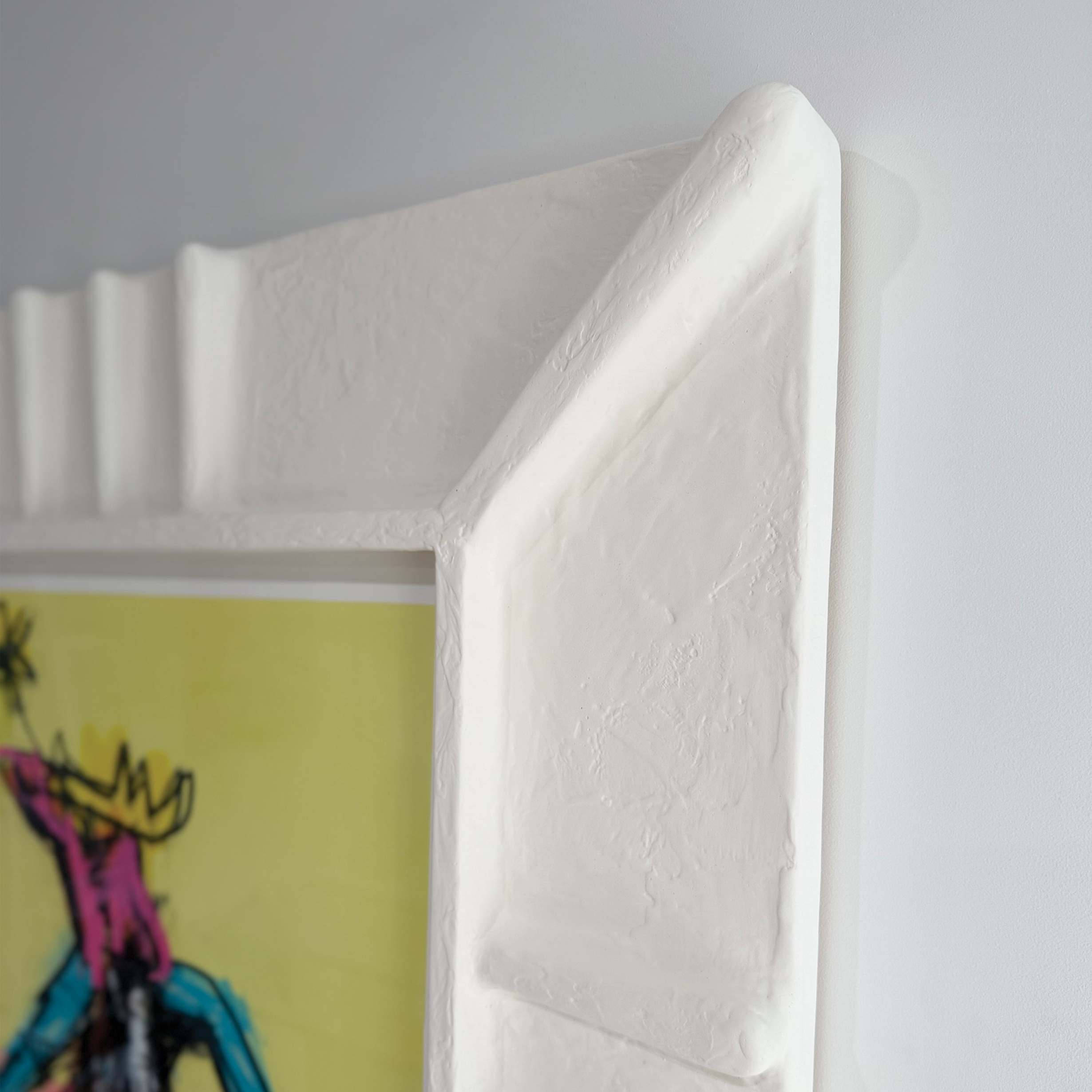
SONORA
Style: Pueblo revival
Face: Flat with radiating timber beams
Finish: Sandblasted gesso
Customisable: Yes
Sandblasted gesso, sun-bleached like adobe. Ridges radiate from the centre like sunbeams, shifting with the light like a sundial. Beyond décor, it is an artifact infused with ceremony.
Native Timbers
Native Timbers was formerly Artis Pura Mouldings — still Australian timbers, now part of Dawsons Handcrafted.
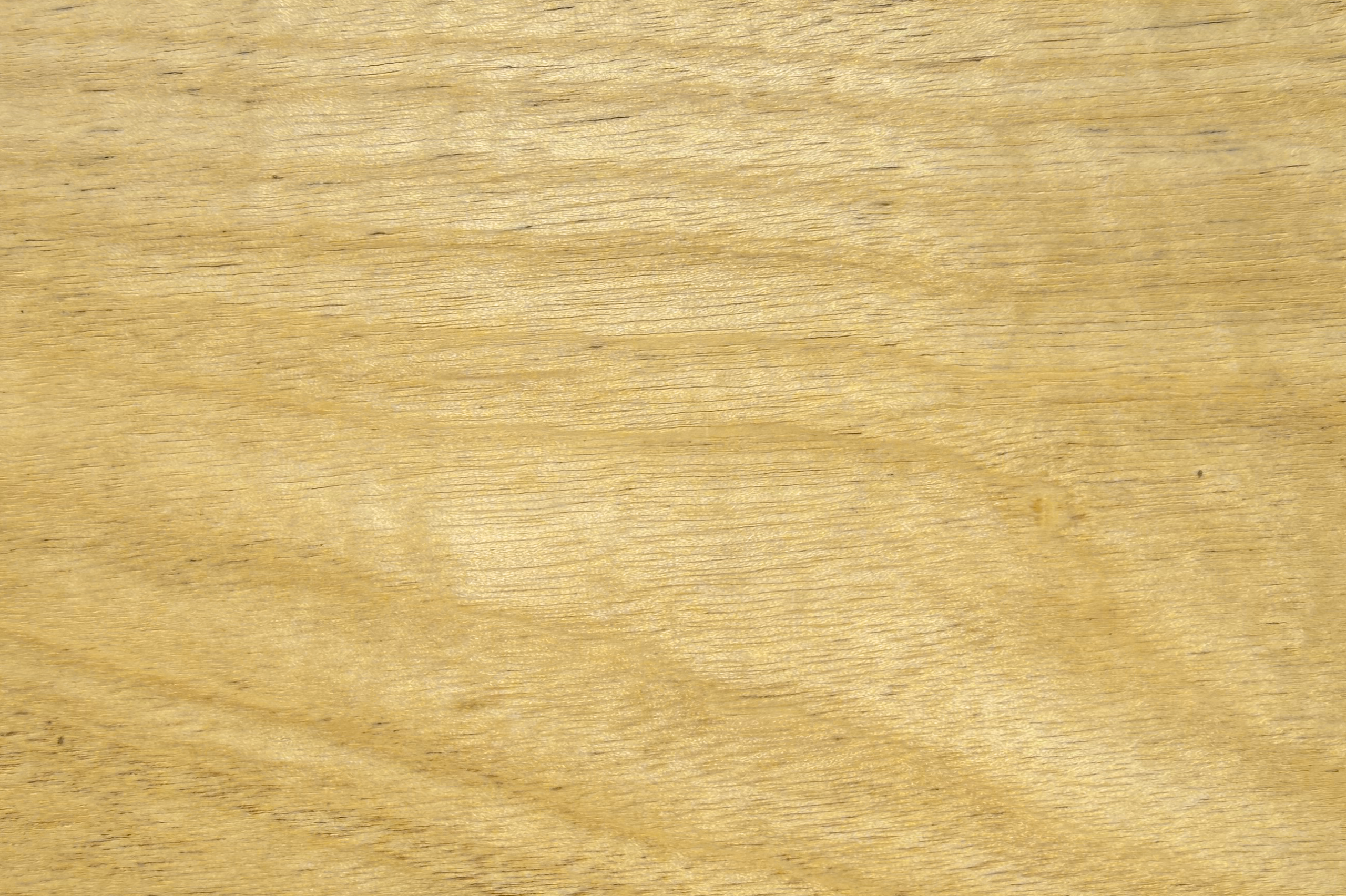
SILVER ASH
flindersia schottiana
Pale, fine-grained timber once shaped into cricket stumps, billiard cues and tool handles — work that demanded precision, not decoration. It's also a pioneer species, the first tree to take root after a rainforest clears, regrowth before anything else arrives. Quiet, exacting, built for the long game.
CYPRESS PINE
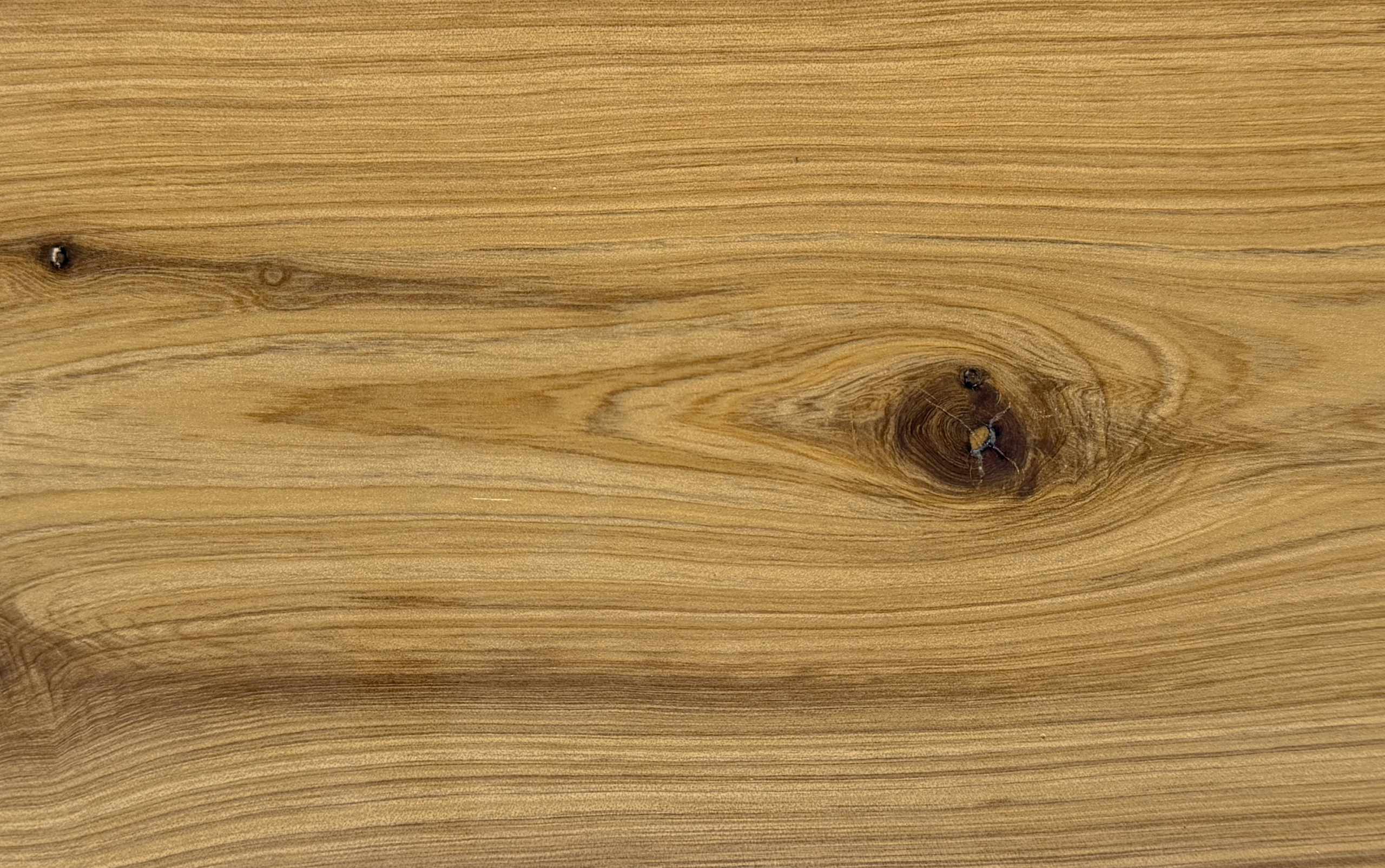
callitris glaucophylla
Grown in some of the driest country any timber comes from, Cypress Pine carries thousands of years of use — for spears, ceremonial pieces, and a resin once worked into glue. Naturally resistant to decay and termites, it's a timber built by its own harsh conditions to last. Resilience, by design rather than treatment.
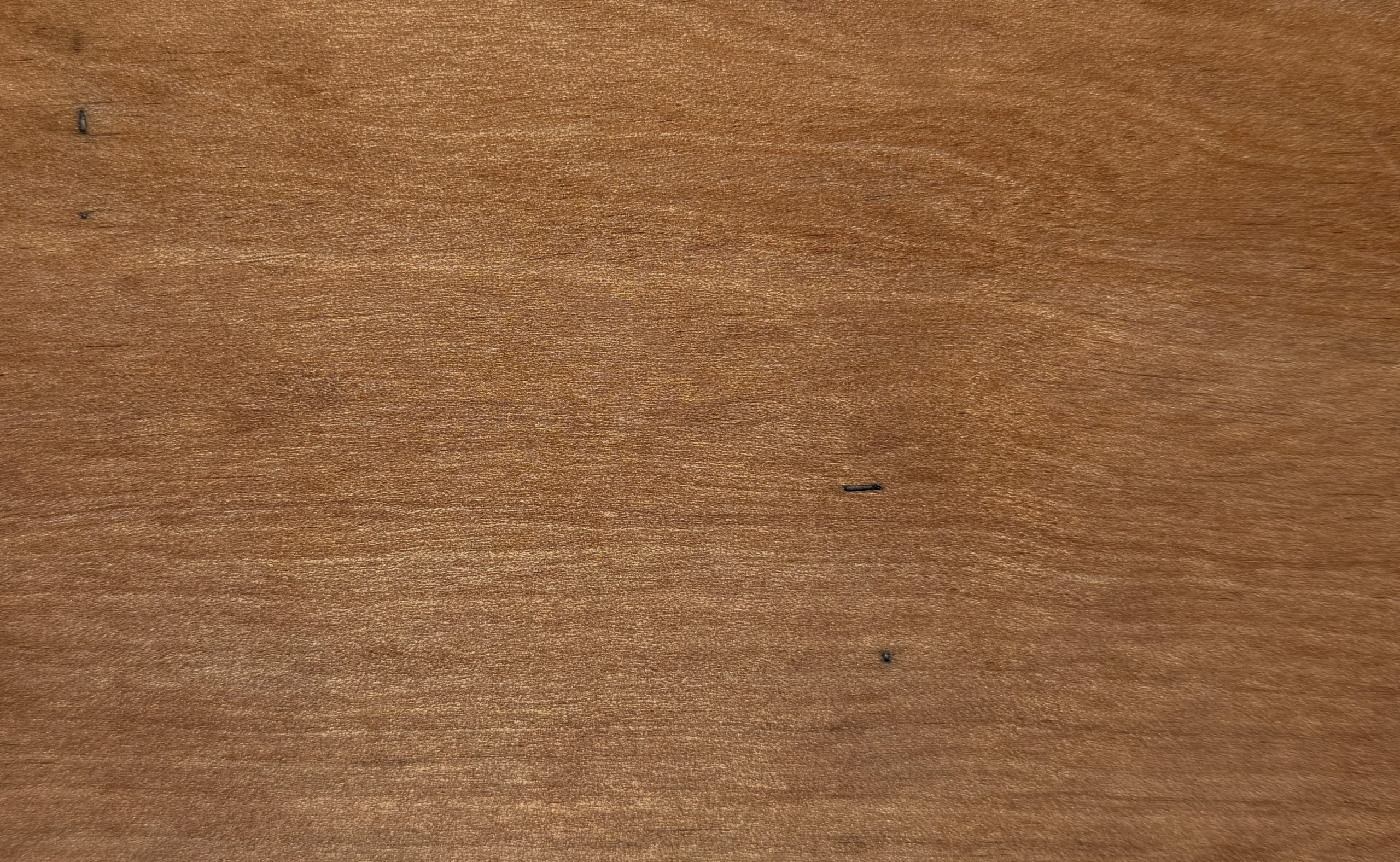
ROSE ALDER
caldcluvia australiensis
Few timbers in this collection travel as far — Rose Alder's range runs almost the full length of the east coast, from tropical Queensland to temperate New South Wales. Its close, even grain takes on a silky sheen when dressed, and a mauve undertone gives finished pieces a classic, well-aged character. The same timber, two climates, one unmistakable look.
WA KARRI
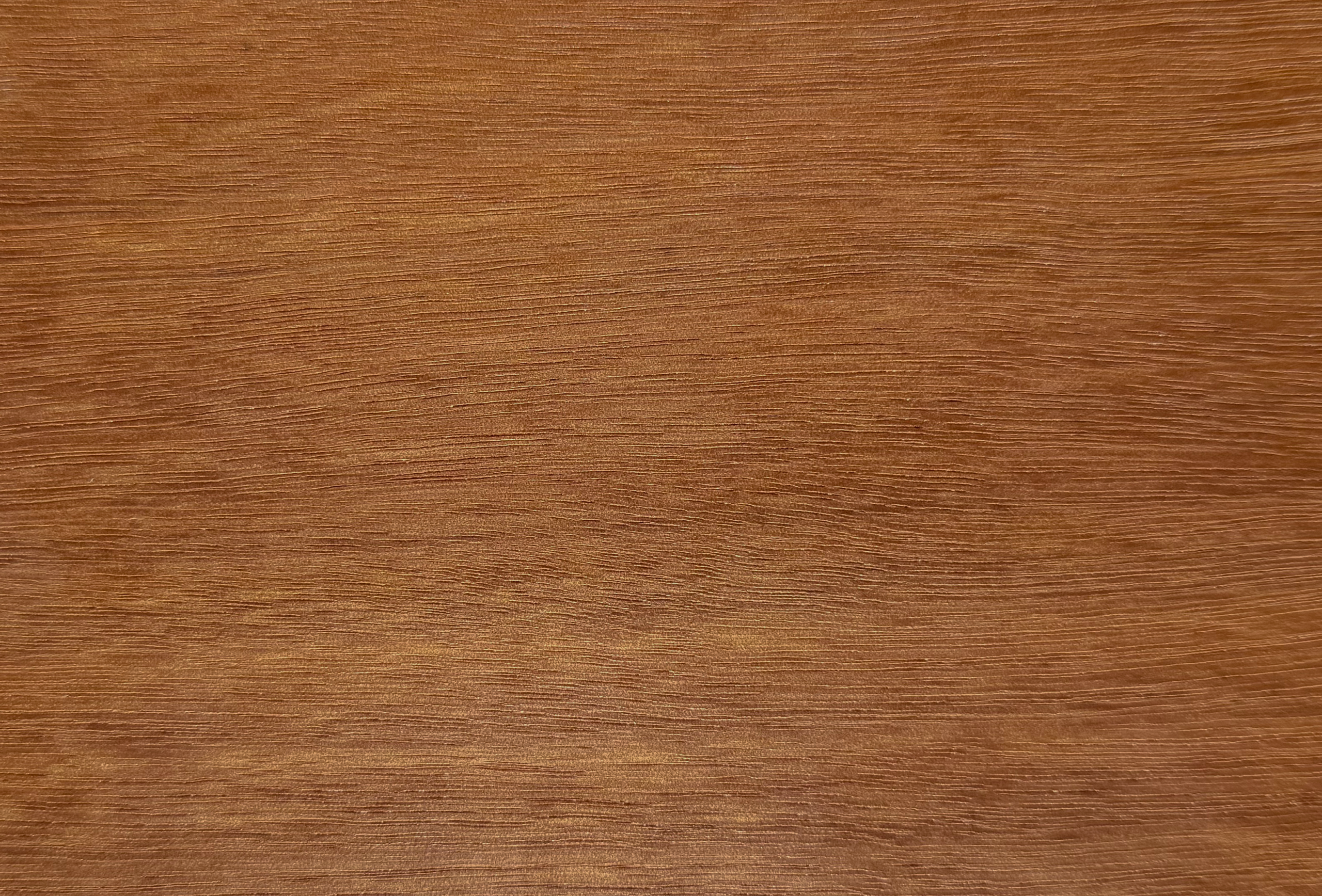
eucalyptus diversicolor
Karri grows in some of the tallest hardwood forest on Earth — country that's held deep significance for the Noongar people as a gathering place for thousands of years. As the bark sheds each year it reveals patches of cream, pink and grey beneath; a tree that's always mid-transformation. By the turn of the last century, Karri blocks were paving the streets of London — a timber with a genuinely global address.
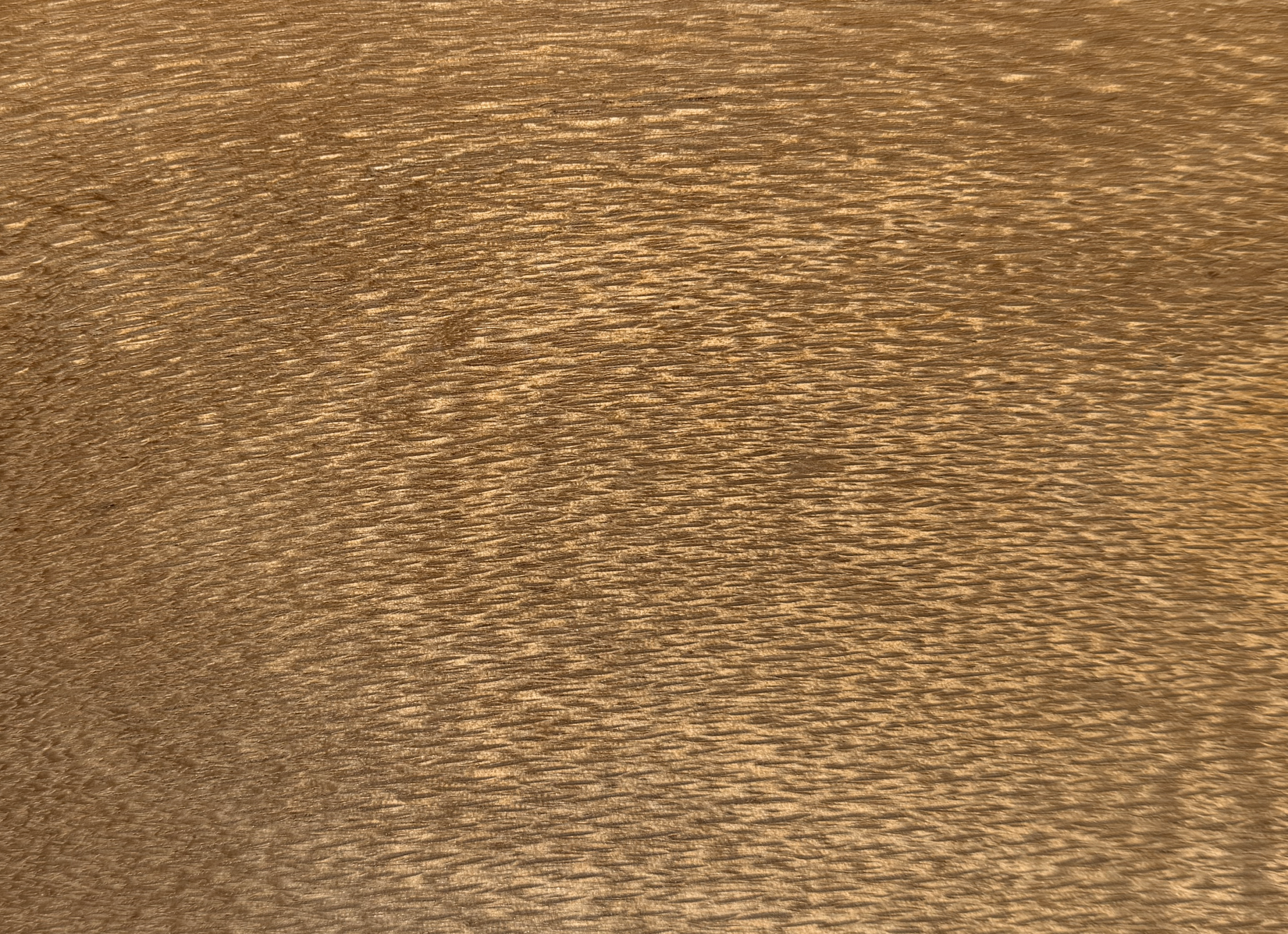
SILKY OAK
musgravea stenostachya
Sold internationally as "Lacewood" for its distinctive flecked grain, Silky Oak was once one of the timbers that built early Queensland — windows, joinery, the bones of the classic "Queenslander" home. Its main growing range is now protected under World Heritage listing, so what's left is genuinely limited. A timber that helped define a state's architecture, now rarer than the houses it built.
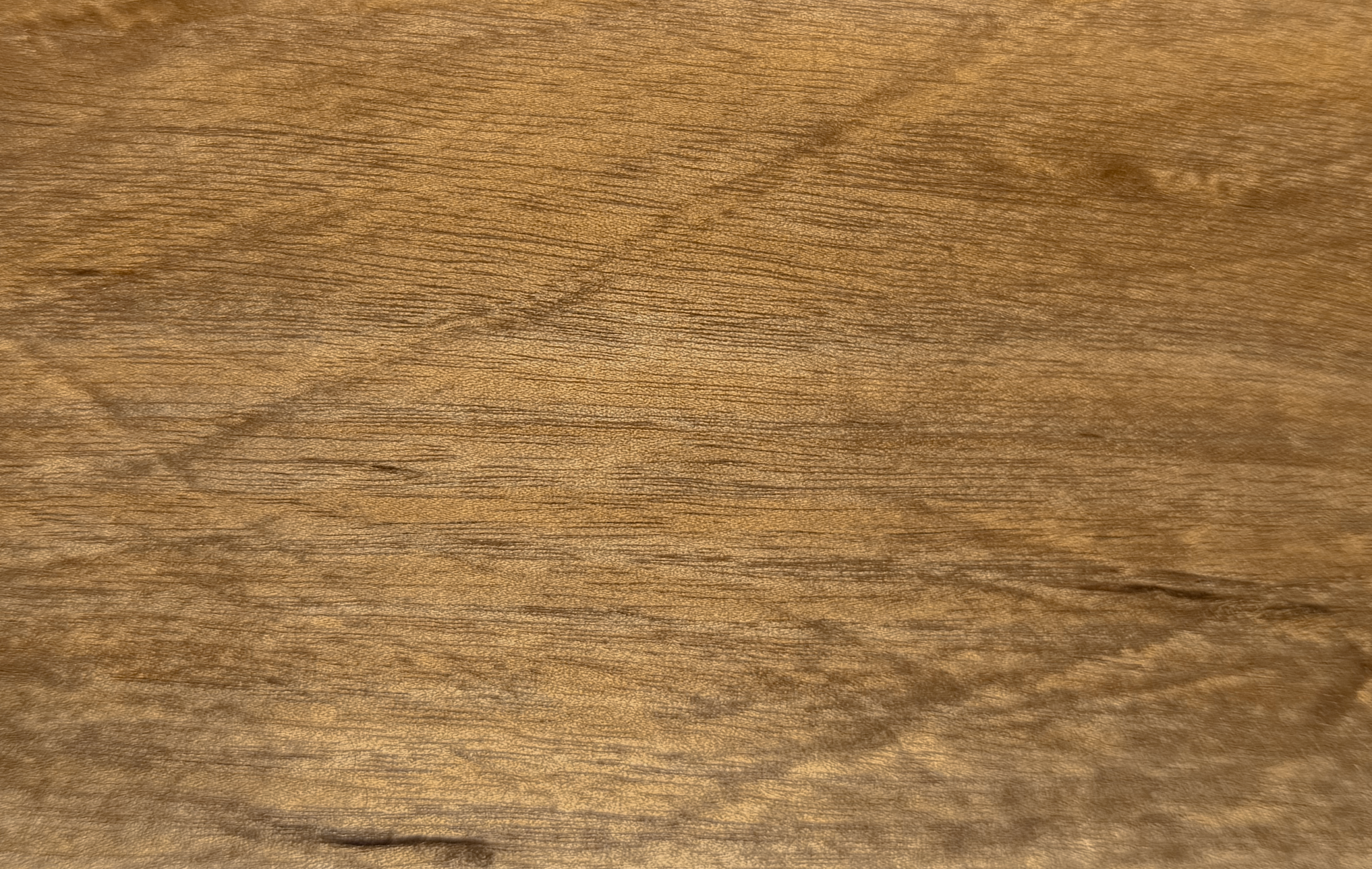
QLD MAPLE
flindersia brayleyana
Despite the name, it's not a true maple at all — just close enough in colour and figure that early settlers borrowed the word. During the Second World War its strength-to-weight ratio sent it into aircraft production, a rainforest timber doing wartime work. Birdseye and fiddleback figuring mark out boards that have earned their keep.
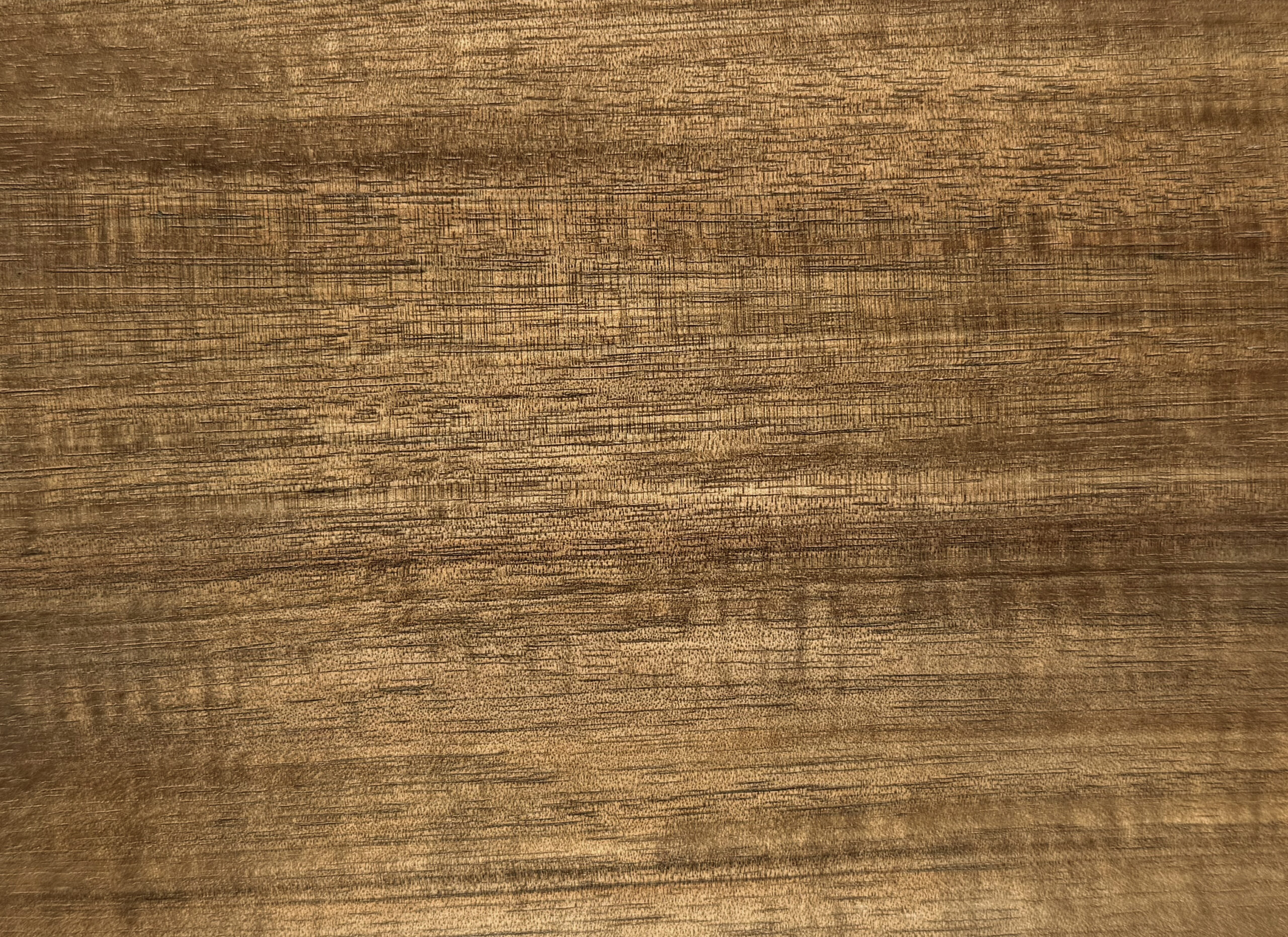
BLACK WATTLE
acaia acuacocana
Before it's timber, Black Wattle is already doing work — fast-growing and nitrogen-fixing, it's often planted to repair degraded land long before anyone thinks about milling it. Golden-brown and durable, it carries that same quiet usefulness into the workshop. A timber that earns its place twice.
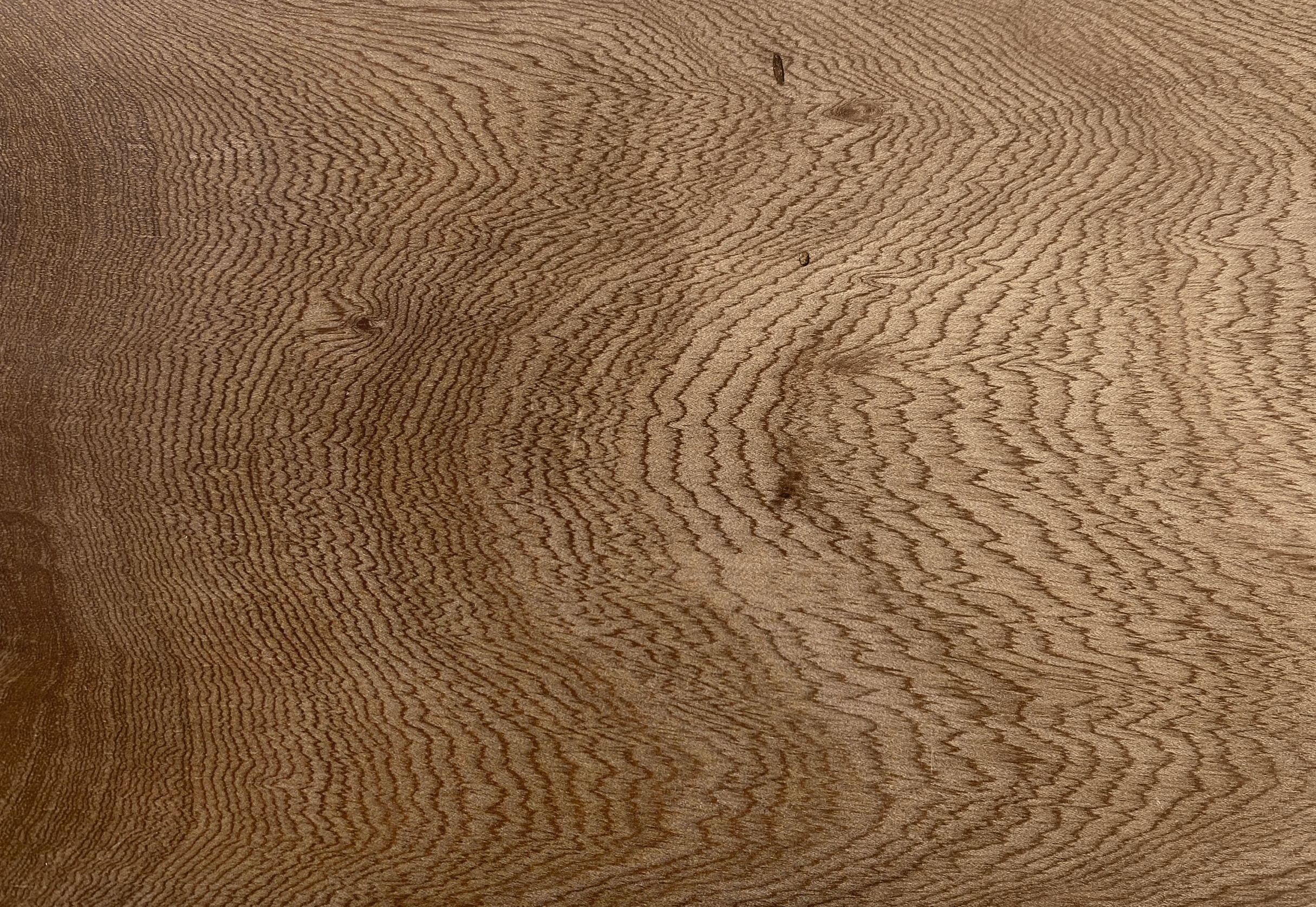
SATIN SYCAMORE
ceratopetalum succirubrum
Satin Sycamore comes from a narrow strip of North Queensland rainforest and is almost nowhere else commercially available — a genuinely scarce timber, not a marketing gimmick. Its reddish tone and fine, even grain have long made it a favourite for decorative veneer and fine joinery. Rare by nature, not by design.
BLACK BEAN
castanospermum australe
This is a tree with a genuinely remarkable past: genetic studies trace nearly every Black Bean in New South Wales back to a single seed, carried inland from the tropics by Aboriginal people along ancestral travelling routes — the seeds were far too heavy to spread any other way. By 1913 the timber was already used in Atlantic ocean liners and London buildings; when the Speaker's Chair in the British House of Commons was destroyed in the Blitz, Australia sent Black Bean timber to build its replacement. A timber carried by hand, twice over, into history.
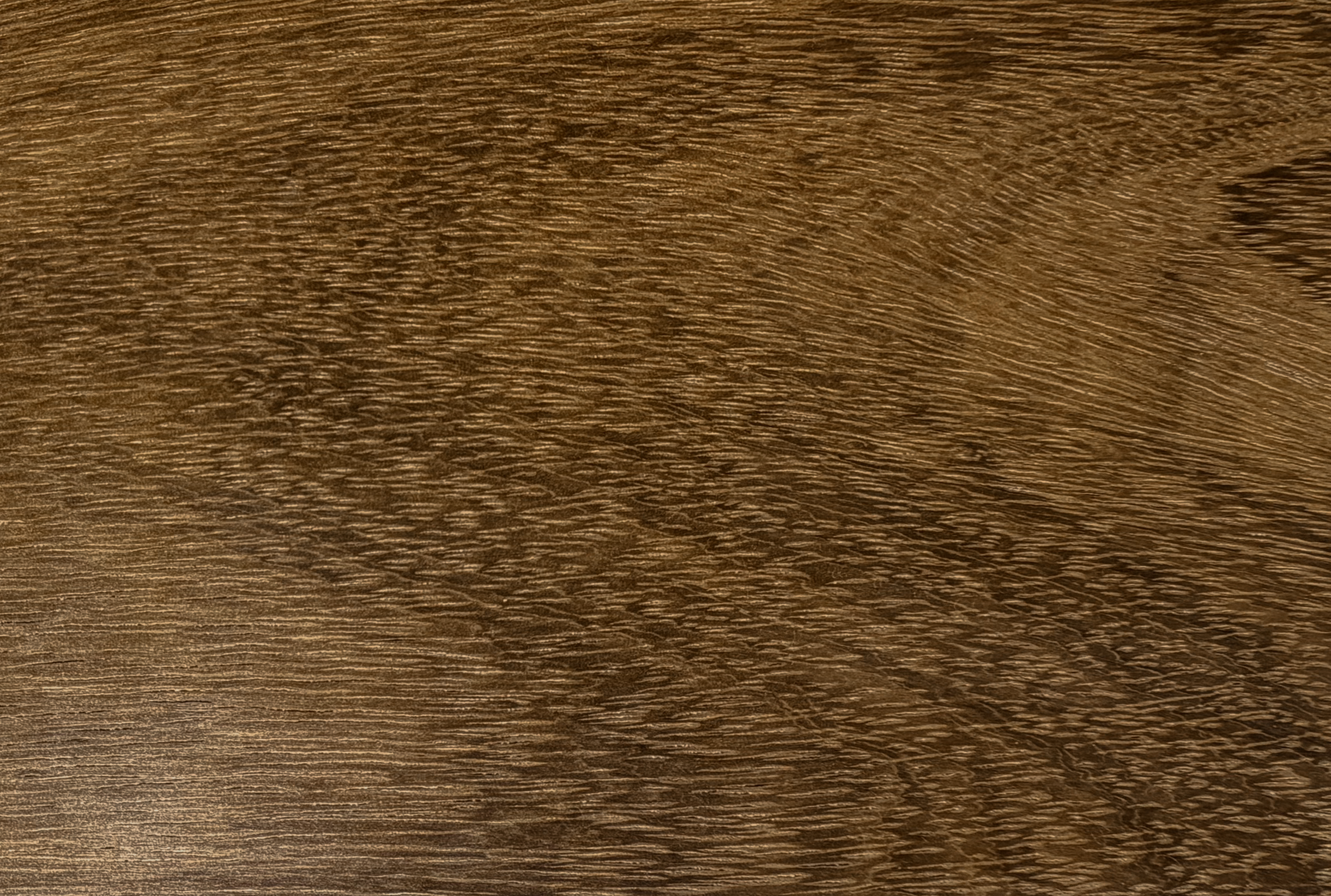
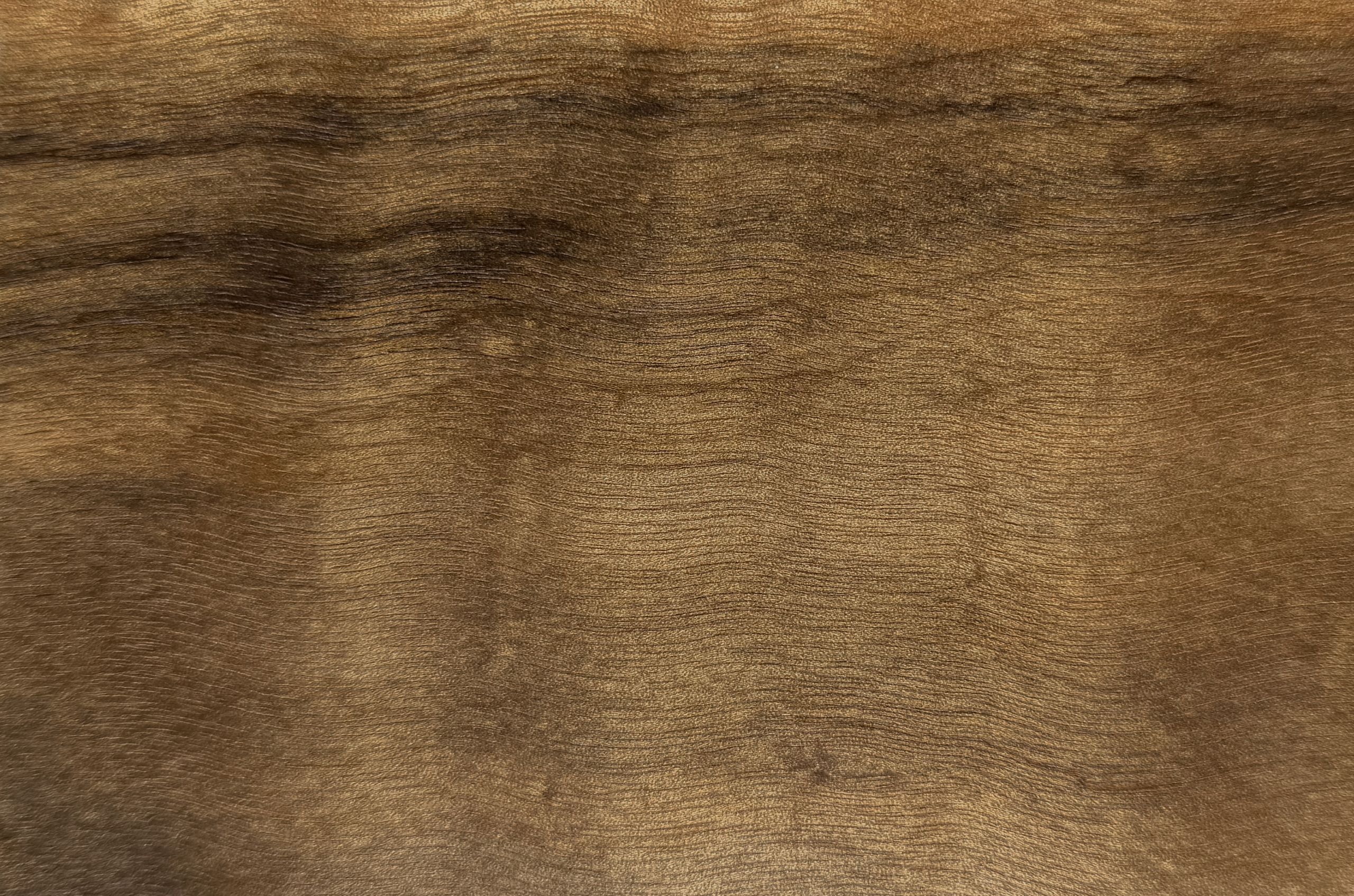
QLD WALNUT
endiandra palmerstonii
Long before it was furniture timber, the Queensland Walnut fed people — its nut roasted, leached and ground by Aboriginal communities into a damper-like paste. Today the tree is rare, its rainforest home largely protected under World Heritage listing, so the timber that reaches a workshop carries real scarcity with it. Chocolate-brown streaking, comparable to true walnut, from a tree most people will never see standing.